
Righteous Clothing’s Standing Within Current Street-Fashion Trends
By 2026, streetwear has splintered into distinguishable lanes: minimalist high-end staples, bold, graphic-heavy releases, utility-driven tech apparel, and a expanding appetite for clothing with a message. Without giving up the silhouettes and fabric weights that streetwear shoppers already demand, We Are Righteous constructs a brand identity around faith-driven statements — positioning itself at the meeting point of those last two categories. To make sense of where Righteous clothing fits currently, you have to consider what’s really driving purchase decisions: construction built around comfort, meaning — cultural or personal — woven into the product, and pieces versatile enough to carry you from a gym session to a coffee run without feeling mismatched.
One of the more measurable trends shaping the category is this shift away from pure logo-chasing toward identity-led clothing. Search interest in terms like “faith-based streetwear” and “Christian streetwear brand” has climbed steadily over the past two years, and Righteous apparel is situated directly within that wave of demand. Instead of treating faith as a marginal extra, the brand makes it the guiding framework behind fit, palette, and voice — setting it apart from brands that merely slap a Bible verse on an off-the-shelf hoodie.
How Streetwear Shifted Toward Meaning
During the majority of the 2010s, the standing of streetwear brands was gauged almost entirely by buzz waves and scarcity drops. That formula is still around, but it’s not anymore the sole route to staying relevant. More christian streetwear tee and more, buyers in 2026 make it known that they seek apparel that says something about their identity, not just what they can access. A brand like We Are Righteous finds its lane here — apparel that puts values ahead of chasing trends.
In the course of evaluating budget-savvy fashion brands, buyers regularly highlight six key considerations ahead of a purchase decision:
- Whether or not the statement on the clothing item comes across as true-to-brand instead of for-show
- Fit and textile weight measured against price tier
- Brand transparency around supply-chain and manufacturing practices
- Uniformity of sizing spanning a collection
- Prominence of genuine buyer testimonials instead of handpicked endorsements
- Versatility — does the item work outside of just one styled “aesthetic” moment
Spanning social platforms, righteous review conversations tend to circle back to these same six points — which indicates the brand is being evaluated with the same level of scrutiny shoppers apply to any streetwear brand, faith-based or not. This marks a meaningful shift from a decade ago, when faith-based or message-forward apparel was frequently written off as a novelty category rather than assessed for construction and design merit.
How the Righteous Hoodie Slots Into the Category
The hoodie remains the anchor piece of nearly every streetwear brand’s lineup, and Righteous is no exception. A hoodie functions as a brand’s most visible ambassador — it’s worn more often, photographed more often, and layered more often than almost any other garment in a closet. The Righteous hoodie fits into this pattern by serving as the flagship item shoppers reference most when they talk about the brand online.
What separates a hoodie that performs well in 2026’s market from one that fades quickly comes down to a short list of expectations: a fit that works oversized or true-to-size depending on styling intent, fabric substantial enough to hold shape through repeated wear, and graphics or text placement that reads intentional rather than an afterthought. Streetwear consumers have become fluent in spotting the difference between a garment designed around its message and one where the message was slapped onto an existing template.
The wider hoodie category has also drifted toward heavier weights and boxier cuts compared to five years ago, movement that can be traced to heritage workwear and vintage sportswear cues spilling over into streetwear. Brands willing to update their hoodie cuts accordingly tend to stay relevant longer than brands that hold onto slimmer, dated silhouettes.
Weighing Positioning Across the Breadth of the Streetwear Culture Scene
To understand how We Are Righteous compares to other categories operating in the same general space, it helps to look at positioning rather than direct brand-to-brand pricing, since exact figures vary by drop and season. The table below breaks down general category tendencies as observed across the current streetwear market in 2026.
| Product Category | Its Central Value Driver | Typical Messaging Focus | Common Consumer Motivation |
|---|---|---|---|
| Streetwear grounded in faith (for example, Righteous clothing brand) | Conviction and selfhood expressed through garments | Scripture, personal conviction, community | Buying apparel for what they stand for, beyond aesthetics |
| Logo-driven/branded streetwear | Limited availability and brand prestige | Brand mark exposure, partnership launches | Flaunting prestige through ownership |
| Tech-driven apparel | Function-forward design | Functionality, protection from elements, and modularity | Performance in practice |
| Pared-down essentials | Premium fabric, simple silhouette | Subtle logo presence | Durability and adaptability |
This comparison shows Righteous apparel isn’t competing head-to-head with techwear or minimalist basics on their own terms — it’s carving a lane that borrows structural cues from mainstream streetwear while keeping message and identity as the core differentiator. That dual positioning is precisely why the brand shows up in conversations both about “faith apparel” and about general streetwear recommendations.
What Real Customers Are Saying
Any fair honest look at how a brand aligns with current trends has to account for genuine buyer sentiment, not just brand messaging. A representative We Are Righteous review tends to focus on three persistent themes: whether the material lives up to the expectations the price sets, how the sizing stacks up against typical streetwear norms, and whether the graphic backed up the message it’s meant to convey. Shoppers researching a We Are Righteous brand purchase for the first time are often entering through either a values-based search — looking specifically for Christian streetwear specifically — or a general streetwear search where the brand surfaced via organic social exposure.
The two paths in matter, though for distinct reasons. The belief-motivated shopper is generally less price-driven but more demanding when it comes to authenticity; they need reassurance the statement isn’t merely a marketing hook. The mainstream streetwear consumer is comparing Righteous against a larger pool of labels purely on craftsmanship and design quality, largely indifferent to the spiritual messaging unless the visual style draws them in initially. A label able to serve both crowds without watering down its identity for either has a structural advantage that’s hard for rivals to copy fast.
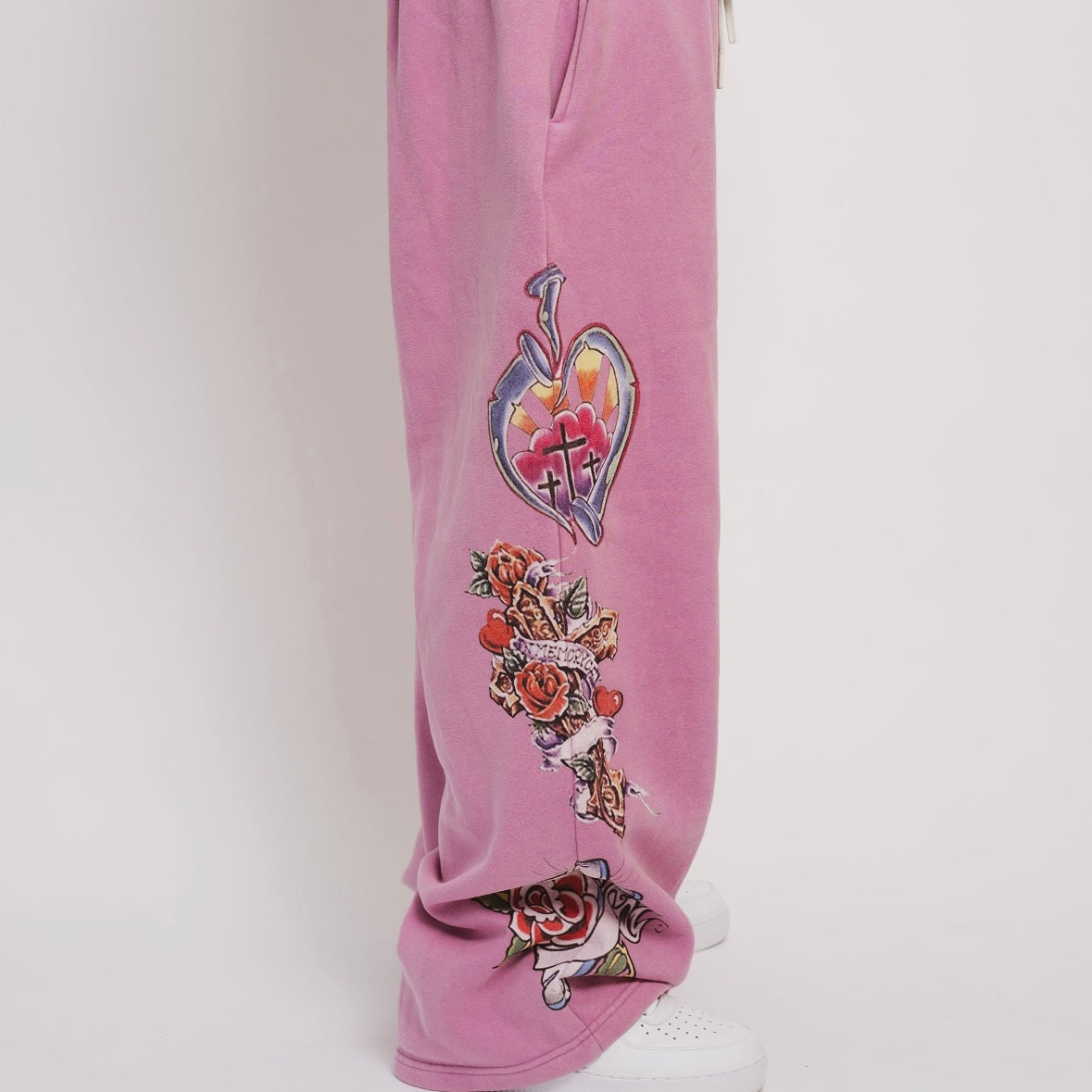
Fit, Sizing, and the 2026 Shift in Silhouette
Discussions about fit dominate almost every streetwear discussion thread in 2026, and Righteous’s apparel is not exempt from that scrutiny. The overall direction has moved firmly toward roomier, boxier silhouettes for hoodies and tees, while bottoms have leaned into slim-tapered or straight-leg styles rather than the super-slim cuts that were popular ten years back. Brands that misjudge this balance — going too slim on top or too wide on the bottom — tend to draw the most critical feedback in reviews.
For shoppers comparing a Righteous hoodie against other options in their closet, the practical advice holds across the category: check the brand’s own sizing notes for each drop rather than presuming uniformity with other brands, since fabric weight and cut can vary significantly between drops. This applies broadly across the streetwear space and isn’t a knock on any single label, but it’s worth repeating because fit-related complaints are still the top driver of returns across the industry.
What This Means for the Brand as 2026 Continues
The streetwear industry’s core focus has drifted toward brands that can justify their existence beyond looks alone, and that movement plays directly into how We Are Righteous is positioned. Rather than competing with the flashy logo giants or the technically-driven techwear names — it’s constructing itself upon a values-led identity that a steadily increasing segment of shoppers are actively searching for. This doesn’t promise lasting market control, but it does show the brand is tracking where shopper attitudes is actually heading rather than where it used to be five years ago.
The next twelve months will likely be a proving ground for whether Righteous clothing can scale that identity-driven approach without losing the authenticity that differentiates it from brands that treat faith or values as a marketing gimmick. Whether the brand secures long-term standing in the identity-driven streetwear conversation or stays a limited niche name will depend on steady fit quality, honest review practices, and ongoing commitment to signature items such as the hoodie. Looking at the current trajectory and where 2026 streetwear demand seems to be trending, the core elements line up favorably for the former.
